In the summer of 1926, Miami was at the height of its glory. The city was turning into a paradise destination for tourists and residents arriving from the North—so much so that in just five years Miami-Dade had doubled its population.
Many of the new residents moving to the southern part of the state had no idea what it was like to live through a hurricane. Television didn’t exist, and the news media were limited. No one imagined what was coming on Sept. 18, 1926, when the so-called “Great Miami Hurricane” slammed into the Palmetto Bay and Pinecrest areas with winds reaching 144 miles per hour.
The system made landfall in the early hours of that Saturday, and although the local weather office had issued some warnings about the storm the day before, it caught many residents off guard—due to a lack of knowledge about hurricanes and the fragile information systems of the time.
But the worst was still to come. After the front half of the cyclone passed through—bringing an even greater level of destruction—many people went out into the streets thinking the storm was over, not realizing they were only in the eye of the hurricane, the central part of the system that brings a period of relative calm.
However, just when some felt they were safe, the back eyewall struck with even more force and intensity, causing widespread devastation and hundreds of deaths by catching thousands of residents outside their homes and completely unprepared.
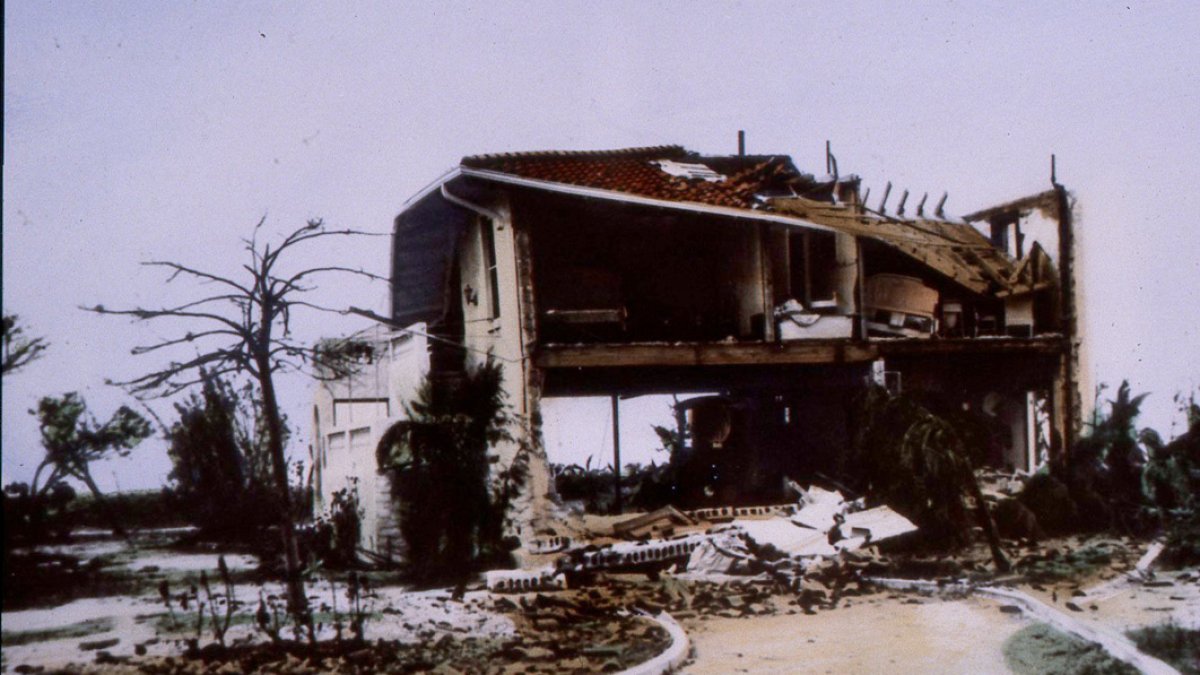
This year, 2026, marks a century since the devastating passage of this system, which left 372 people dead, hundreds missing and more than 6,000 injured. Between Miami and Fort Lauderdale, more than 5,000 homes were destroyed and around 9,000 were damaged—an outcome that, according to estimates, left a third of the city’s population without housing.
The destruction was so severe that 100 years later it remains the costliest hurricane in U.S. history. It not only caused millions of dollars in property losses, but it also brought the boom South Florida had achieved up to that point to a complete halt.
This story was translated from Spanish with the help of a generative artificial intelligence tool. An NBC 6 editor reviewed the translation.