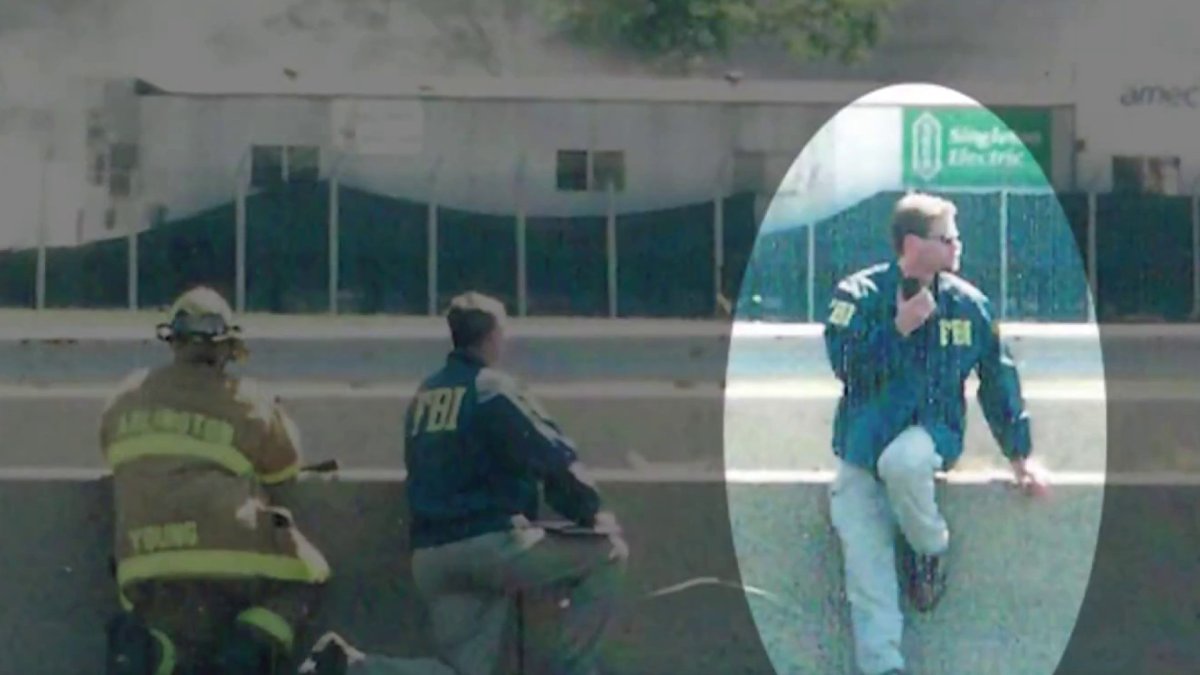
The FBI special agent who oversaw the investigation at the Pentagon in the weeks after the Sept. 11, 2001, terror attacks visited the memorial there for the first time Wednesday morning.
“It certainly brings back a lot of memories, because this was where we, the FBI, set up our operation on 9/11 to begin the crime scene investigation and evidence in and body recovery,” retired Special Agent John Adams told NBC Washington. “And this was where we were all set up. So, it’s been amazingly transformed. There was a huge, of course, first responder presence, but it brings back a lot of memories for sure.”
He was one of the first on scene at the Pentagon that day 25 years ago, arriving just minutes after impact.
“We just immediately began to try to help people out of the building, and there was a lot of people that were down and needed first aid,” Adams said.
He spent three weeks leading the effort to search the debris, working with the fire department and urban search-and-rescue teams.
“Sift through all of that rubble and destruction, trying to find any evidence that might be associated with the hijackers and then certainly any human tissue or human remains and trying to collect all that so we could identify it through DNA profiling so we knew exactly who was, who perished in this attack and that we could return those remains to their families,” Adams said.
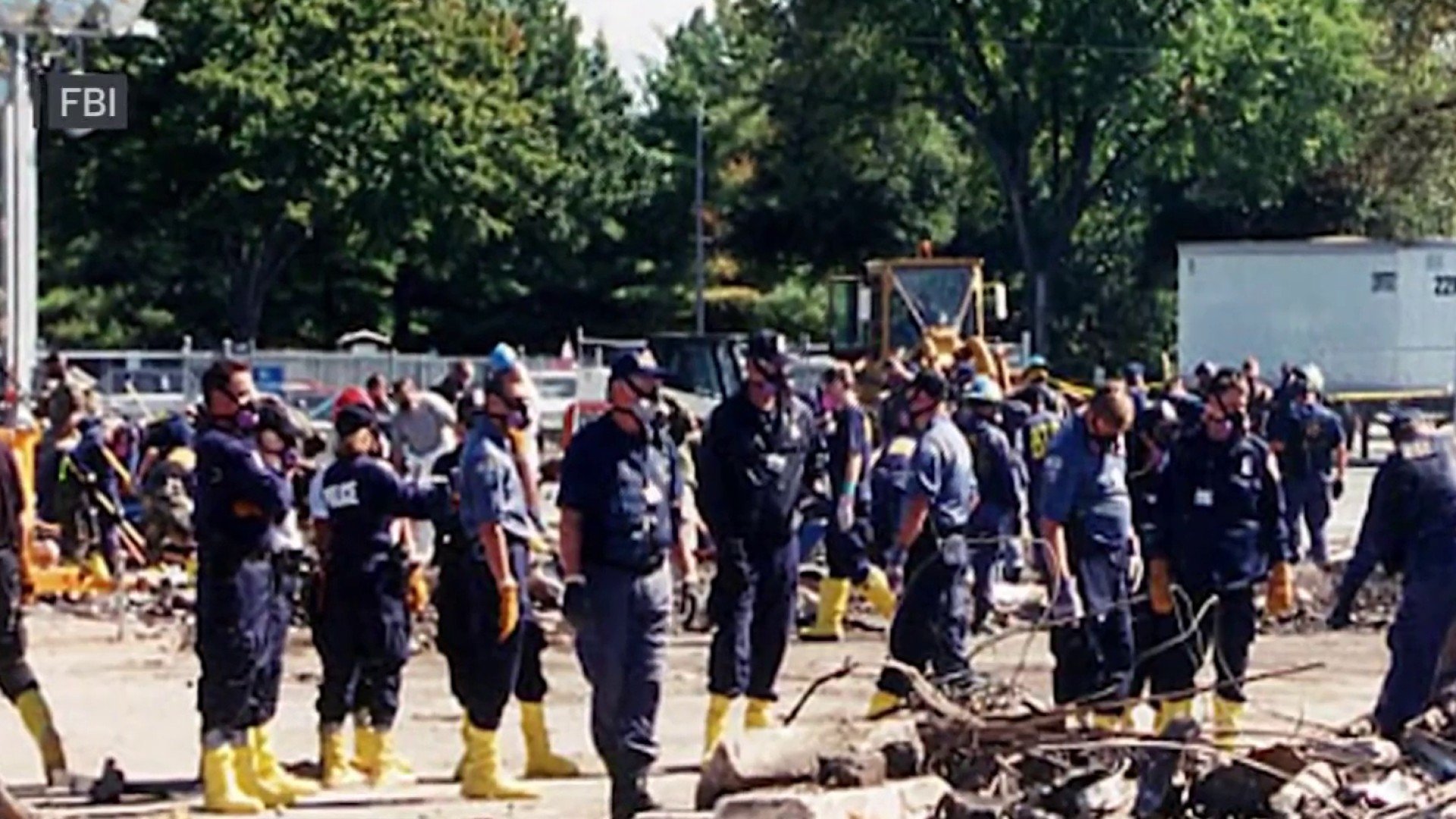
Standing in the shadow of the Pentagon Wednesday, Adams recalled the painstaking task for his team of FBI agents. He noted two significant discoveries his team made. Finding the flight data recorders was the biggest.
“And then, amazingly, we also found a driver’s license from one of the hijackers, another identity document from another hijacker that you would think would not survive in an explosion like this, but amazingly, it did,” he said.
In addition to recovering evidence, Adams’ team collected sensitive documents from Pentagon offices and personal belongings of those who died.
“They were trying to separate those classified documents out and secure those,” he said. “Also return all those personal effects, both from people in the Pentagon and also in individuals that were on the plane, try to return those personal effects back to the rightful family members.”

Like many 9/11 responders, Adams developed cancer years later. He considers himself one of the lucky ones, as his treatment has been working.
Dozens of his FBI colleagues weren’t so lucky.
“The 13 that responded here that have died,” Adams said. “There’s 15 FBI employees that have died that responded in New York. There’s five FBI employees that responded to Shanksville, Pennsylvania, that have died.
“So, a total of 33 FBI employees that responded to one of those sites on 911 have died, and many others, like me, that have contracted cancer are going through cancer treatment or have actually, fortunately for me, have been in remission, for now,” he said. “I say ‘for now’ because I live with that every day thinking it can come back.”
Adams said he has undergone 18 months of surgery, radiation and immunotherapy and — for now — is cancer-free.
He advocates for all 9/11 responders to be vigilant about cancer screenings.
This story originally appeared on NBCWashington.com.